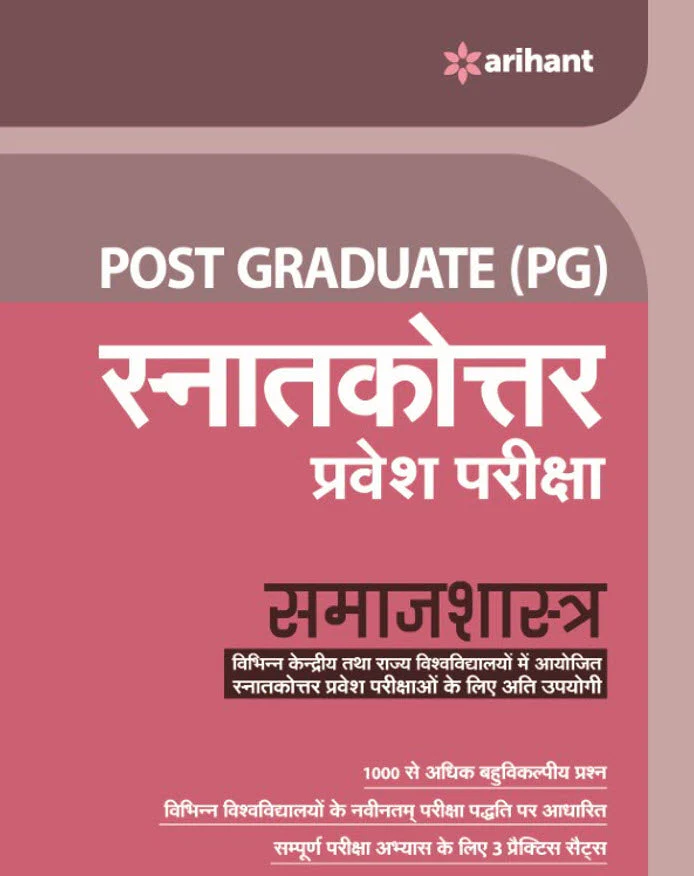
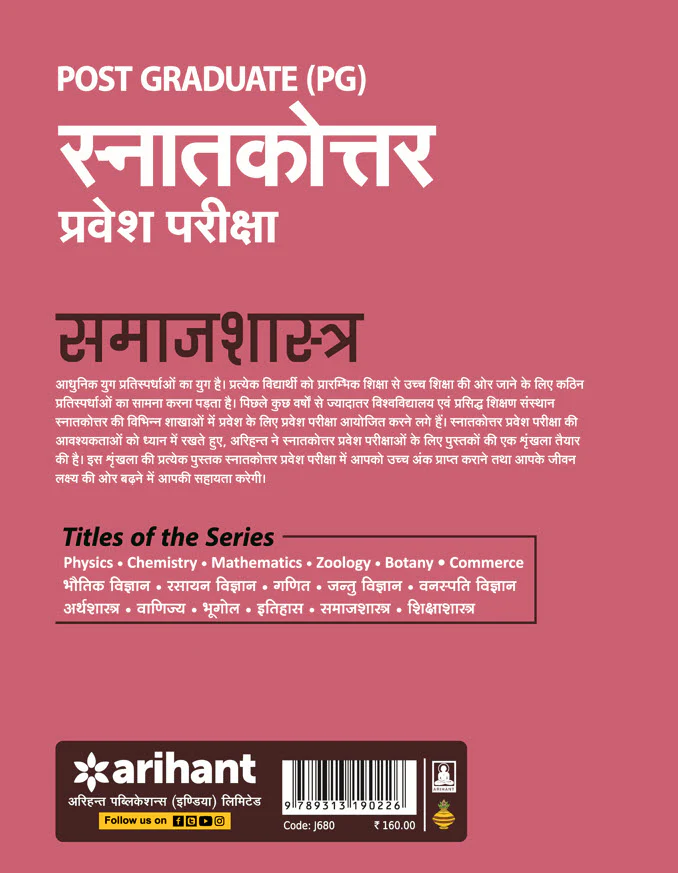
Post Graduate (PG) Entrance Exam - Sociology | Hindi Medium
Overview: Sociology is the scientific study of social behavior and human groups. This guide synthesizes the 3-year B.A. Sociology curriculum into an exam-centric format. It emphasizes conceptual clarity, helping you master both classical Western theories and the complexities of the Indian social structure, fully aligned with the latest NTA/CUET patterns.
Genre: Entrance Exam Prep | Higher Education | Sociology
Audience: Final-year undergraduate students and PG aspirants for the 2026-27 academic session.
Subject-Wise Core Modules
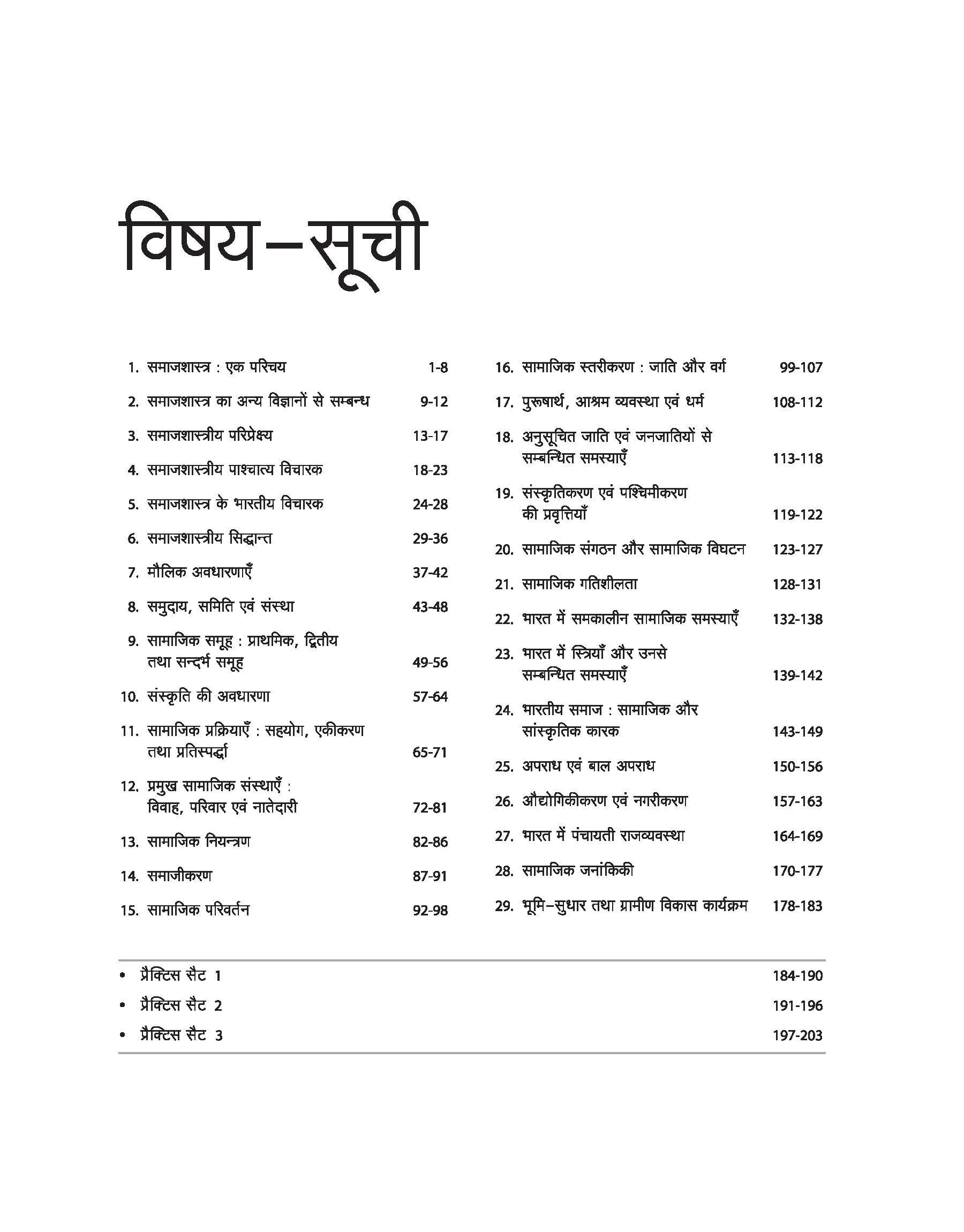
1. Basic Sociological Concepts
-
Core Pillars: Society, Community, Institution, Association, Social Groups, and Social Structure.
-
Key Focus: Deep dive into 'Status and Role', 'Social Control', and 'Socialization'.
-
Social Stratification: Analysis of division based on Caste, Class, Gender, and Power.
2. Sociological Thinkers (The Foundation)
-
Western Classics: Auguste Comte (Law of Three Stages), Emile Durkheim (Division of Labor, Suicide), Max Weber (Bureaucracy, Protestant Ethic), and Karl Marx (Class Conflict, Historical Materialism).
-
Indian Pioneers: G.S. Ghurye (Caste and Race), M.N. Srinivas (Sanskritization, Westernization), Irawati Karve (Kinship Organization), and B.R. Ambedkar.
3. Indian Society: Structure and Change
-
Key Topics: The Joint Family system, Marriage, Kinship systems, and the Rural-Urban continuum.
-
Processes of Change: Detailed study of Modernization, Secularization, and Globalization in the Indian context.
4. Social Research Methodology
-
Focus: Types of Research, Hypothesis formulation, Sampling techniques, and Tools of Data Collection (Questionnaires, Interviews, Observation).
-
Quant-Qual Balance: Introduction to both Qualitative methods and basic Social Statistics.
5. Contemporary Social Issues
-
Themes: Poverty, Unemployment, Gender Discrimination, Environment Movements, and Digital Sociology.
-
Glossary: A comprehensive list of modern sociological terms and jargon.
Key Features of the 2026 Edition
-
2500+ Practice MCQs: Features conceptual questions, "Who said what" (Quote-based), and Statement-Reasoning drills.
-
Thinkers & Books Directory: A dedicated appendix of 200+ seminal sociological books and their authors.
-
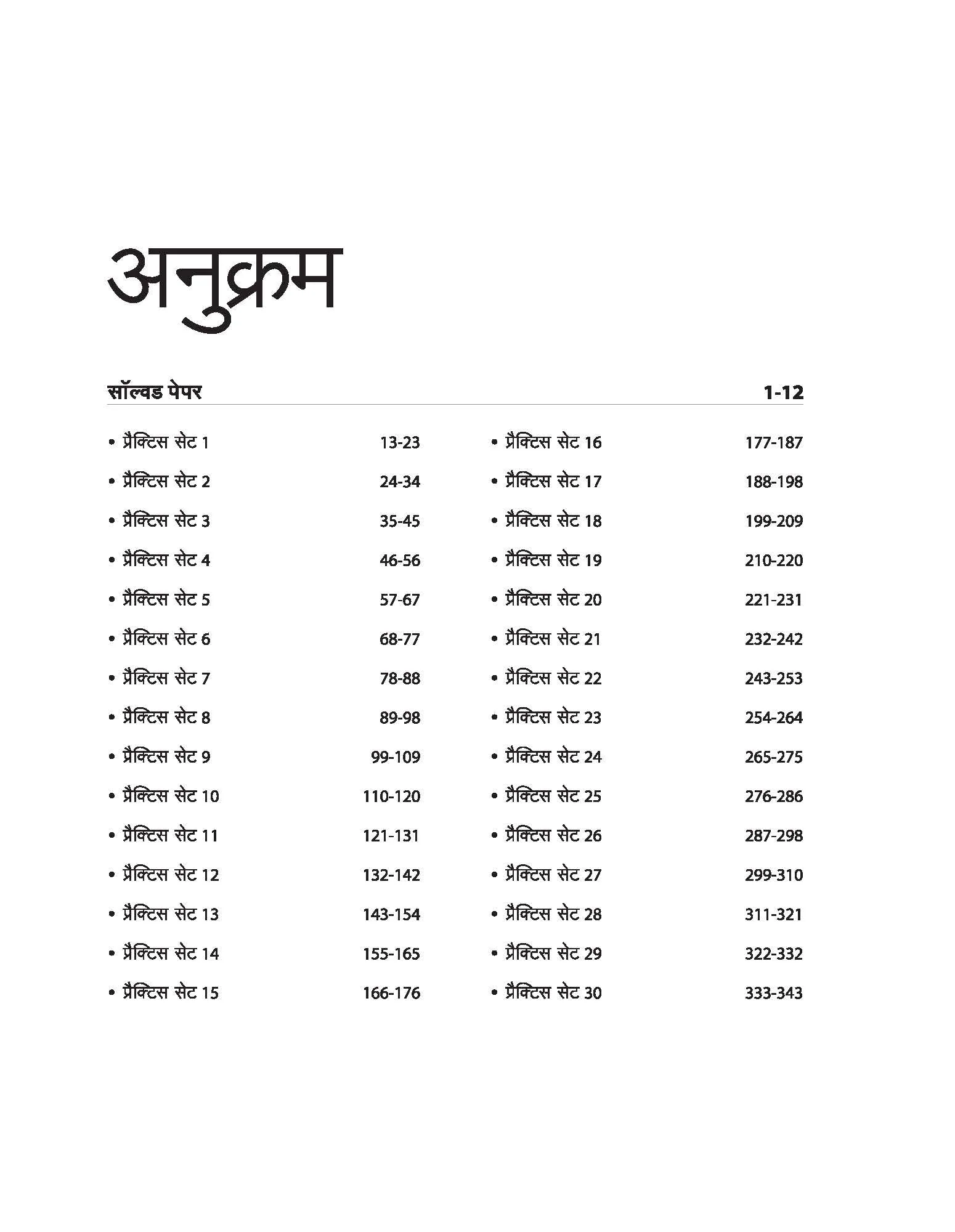
Solved Papers: Includes the last 5 years of CUET-PG and major university entrance papers with analytical solutions.
-
Quick Revision Notes: 'Snapshot Boxes' for rapid recall of major theories and definitions.
-
2 Full-Length Mock Tests: Modeled on the Computer Based Test (CBT) format to perfect your timing.
Why Choose This Guide?
-
Conceptual Precision: Clearly explains difficult terms like 'Anomie', 'Alienation', 'Hegemony', and 'Habitus'.
-
Authored for CUET-PG: Strictly follows the National Testing Agency (NTA) syllabus.
-
Synthesis of Authorities: Combines insights from standard references like Anthony Giddens, Haralambos & Holborn, and Yogendra Singh.
Original: $1.34
-65%$1.34
$0.47Product Information
Product Information
Shipping & Returns
Shipping & Returns
Description
Overview: Sociology is the scientific study of social behavior and human groups. This guide synthesizes the 3-year B.A. Sociology curriculum into an exam-centric format. It emphasizes conceptual clarity, helping you master both classical Western theories and the complexities of the Indian social structure, fully aligned with the latest NTA/CUET patterns.
Genre: Entrance Exam Prep | Higher Education | Sociology
Audience: Final-year undergraduate students and PG aspirants for the 2026-27 academic session.
Subject-Wise Core Modules
1. Basic Sociological Concepts
-
Core Pillars: Society, Community, Institution, Association, Social Groups, and Social Structure.
-
Key Focus: Deep dive into 'Status and Role', 'Social Control', and 'Socialization'.
-
Social Stratification: Analysis of division based on Caste, Class, Gender, and Power.
2. Sociological Thinkers (The Foundation)
-
Western Classics: Auguste Comte (Law of Three Stages), Emile Durkheim (Division of Labor, Suicide), Max Weber (Bureaucracy, Protestant Ethic), and Karl Marx (Class Conflict, Historical Materialism).
-
Indian Pioneers: G.S. Ghurye (Caste and Race), M.N. Srinivas (Sanskritization, Westernization), Irawati Karve (Kinship Organization), and B.R. Ambedkar.
3. Indian Society: Structure and Change
-
Key Topics: The Joint Family system, Marriage, Kinship systems, and the Rural-Urban continuum.
-
Processes of Change: Detailed study of Modernization, Secularization, and Globalization in the Indian context.
4. Social Research Methodology
-
Focus: Types of Research, Hypothesis formulation, Sampling techniques, and Tools of Data Collection (Questionnaires, Interviews, Observation).
-
Quant-Qual Balance: Introduction to both Qualitative methods and basic Social Statistics.
5. Contemporary Social Issues
-
Themes: Poverty, Unemployment, Gender Discrimination, Environment Movements, and Digital Sociology.
-
Glossary: A comprehensive list of modern sociological terms and jargon.
Key Features of the 2026 Edition
-
2500+ Practice MCQs: Features conceptual questions, "Who said what" (Quote-based), and Statement-Reasoning drills.
-
Thinkers & Books Directory: A dedicated appendix of 200+ seminal sociological books and their authors.
-
Solved Papers: Includes the last 5 years of CUET-PG and major university entrance papers with analytical solutions.
-
Quick Revision Notes: 'Snapshot Boxes' for rapid recall of major theories and definitions.
-
2 Full-Length Mock Tests: Modeled on the Computer Based Test (CBT) format to perfect your timing.
Why Choose This Guide?
-
Conceptual Precision: Clearly explains difficult terms like 'Anomie', 'Alienation', 'Hegemony', and 'Habitus'.
-
Authored for CUET-PG: Strictly follows the National Testing Agency (NTA) syllabus.
-
Synthesis of Authorities: Combines insights from standard references like Anthony Giddens, Haralambos & Holborn, and Yogendra Singh.