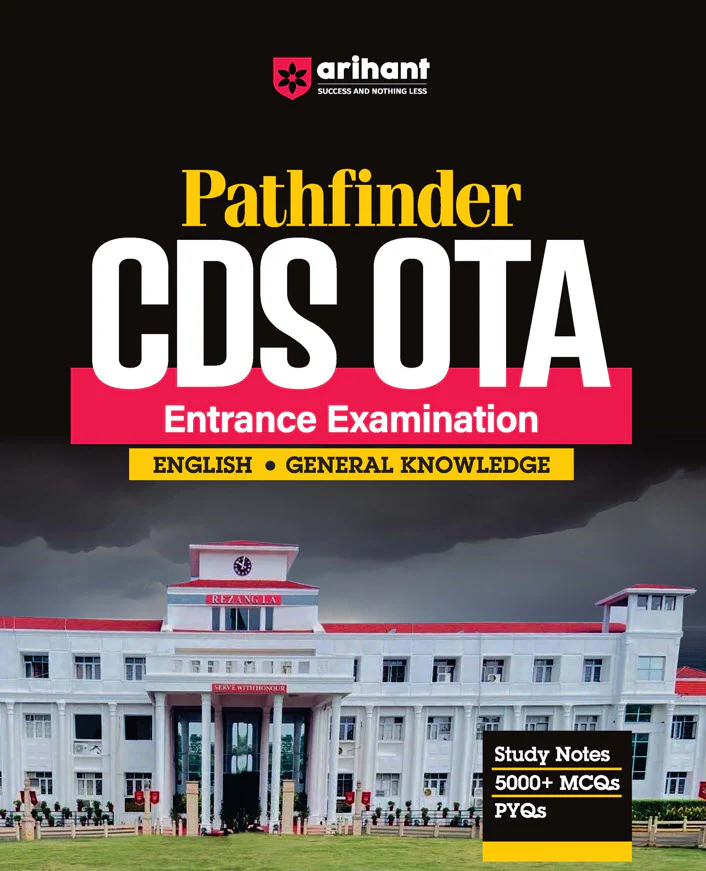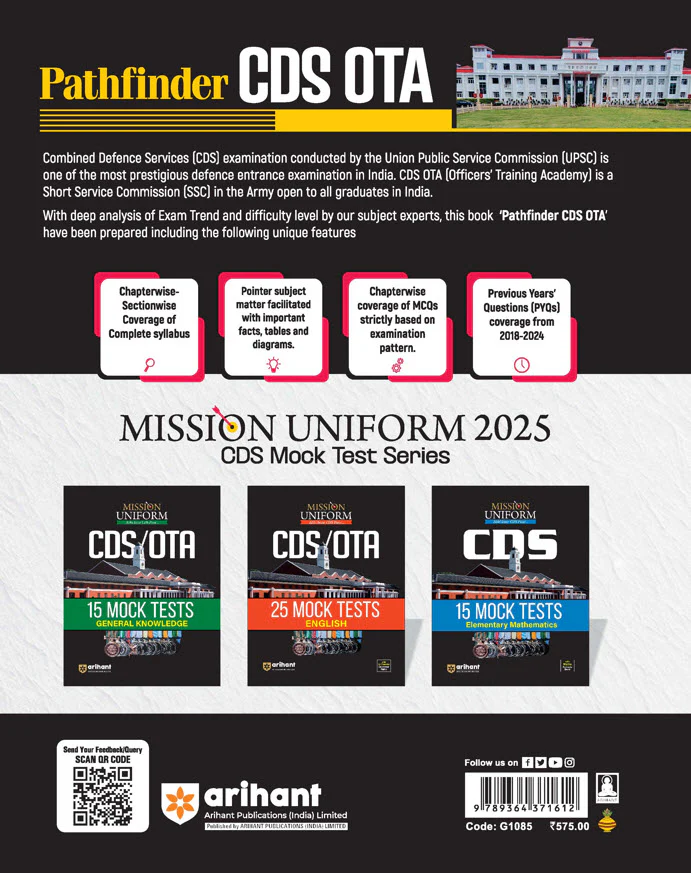
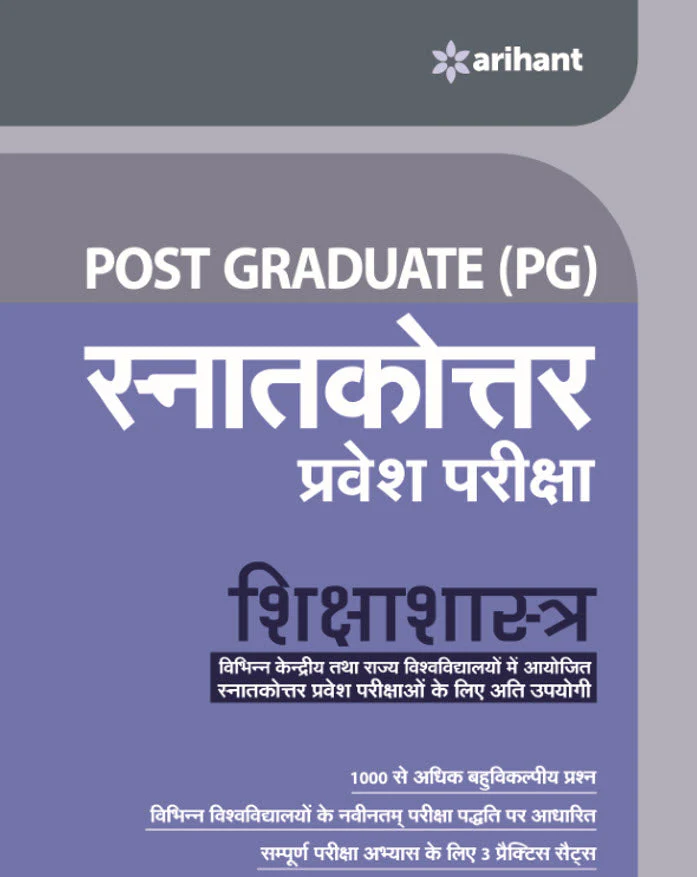
Post Graduate (PG) Entrance Exam - Pedagogy | Hindi Medium
Overview:
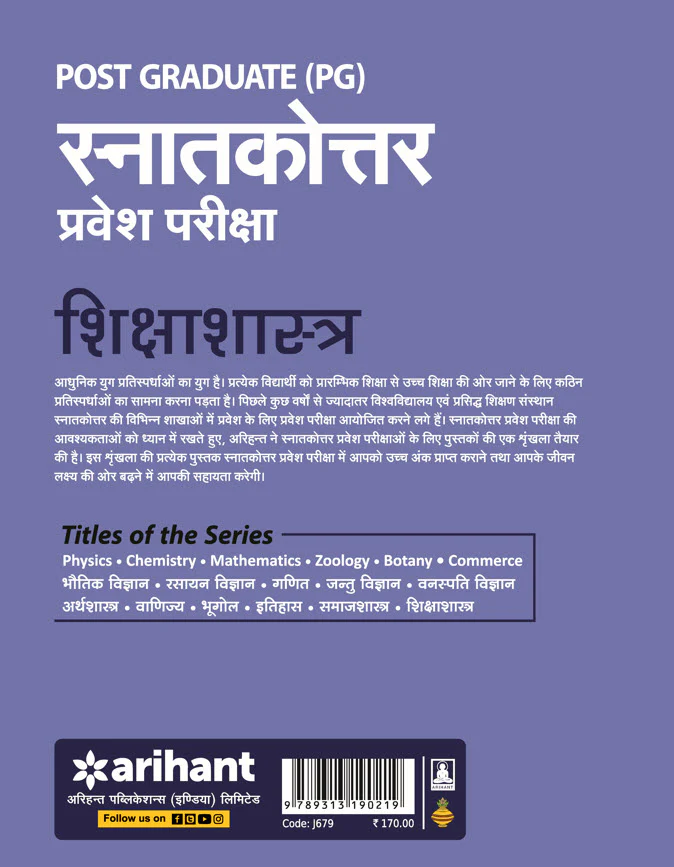
Pedagogy is more than just the art of teaching; it is the science of human development. This guide synthesizes the undergraduate (B.A. Education / B.Ed) curriculum into an exam-oriented format, preparing you for both conceptual and factual questions. It includes a deep dive into the National Education Policy (NEP 2020) and modern instructional technologies.
Genre: Entrance Exam Prep | Higher Education | Pedagogy/Education
Audience: Final-year undergraduate students, B.Ed/B.El.Ed graduates, and PG aspirants for the 2026-27 session.
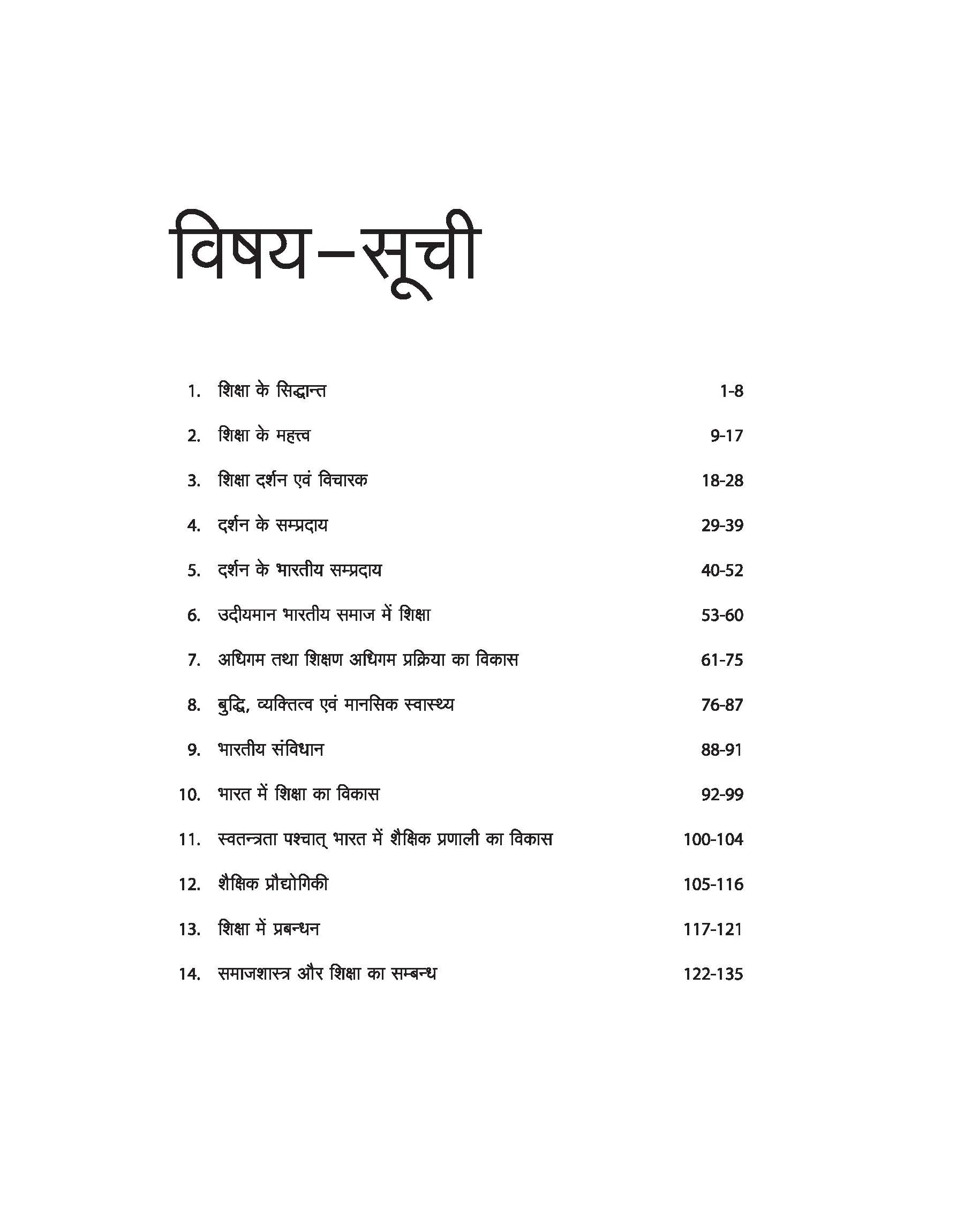
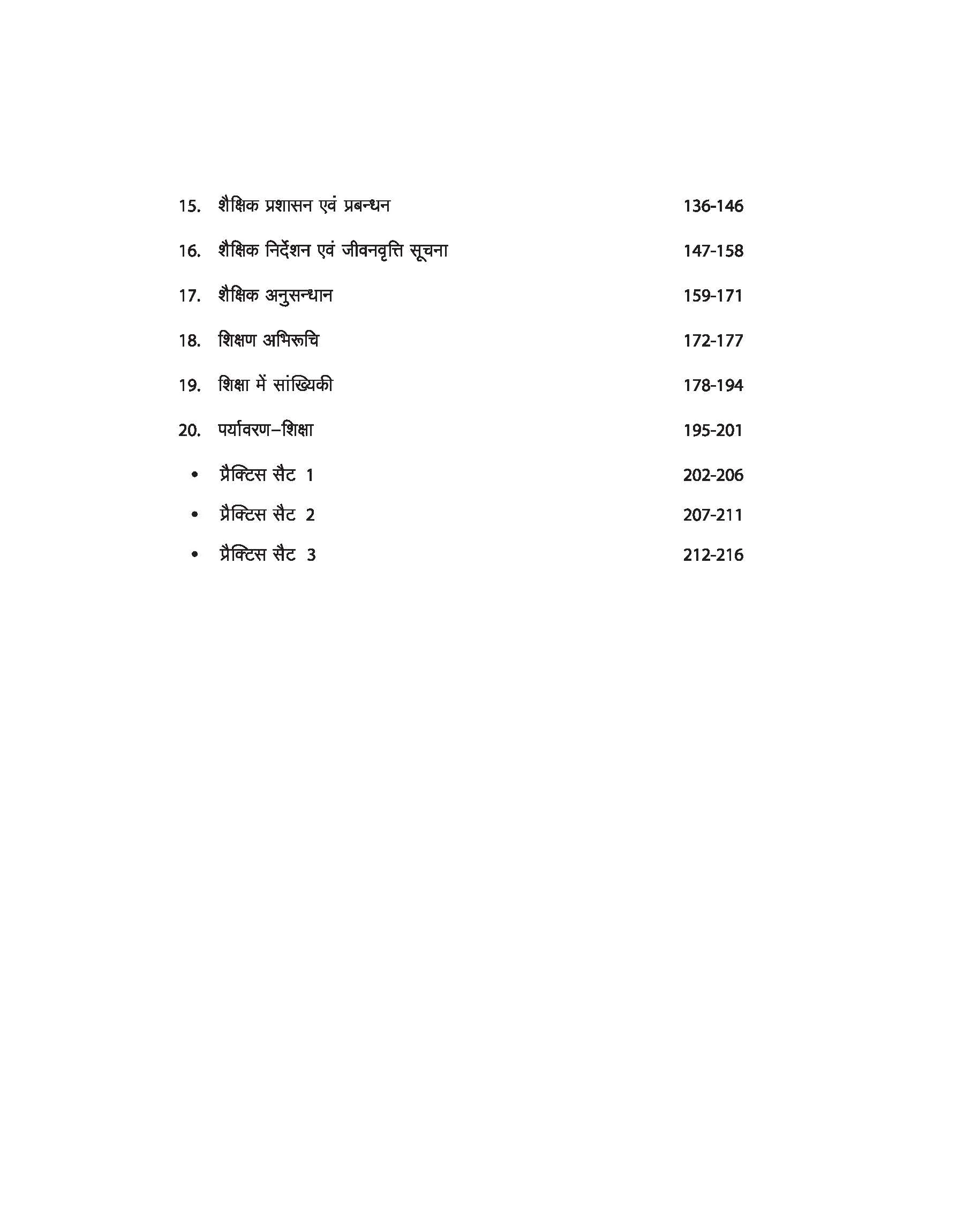
Subject-Wise Core Modules
1. Philosophical Foundations of Education
-
Western Philosophy: Idealism, Naturalism, Pragmatism, and Realism.
-
Indian Philosophy: Educational implications of Sankhya, Yoga, Vedanta, and Buddhist philosophy.
-
Key Thinkers: Comparative study of the educational thoughts of Mahatma Gandhi, Rabindranath Tagore, Swami Vivekananda, Rousseau, and Dewey.
2. Psychological Foundations
-
Learning Theories: Pavlov’s Classical Conditioning, Skinner’s Operant Conditioning, Thorndike’s Connectionism, and Piaget’s Cognitive Development.
-
Intelligence & Personality: Theories of intelligence (Spearman, Gardner) and personality assessment tools.
-
Special Feature: Analysis of growth and development stages and their educational significance.
3. Sociology of Education
-
Core Concepts: Process of Socialization, Education and Culture, Social Mobility, and Education as a tool for Social Change.
-
Equity in Education: Constitutional provisions for the education of marginalized groups and equality of educational opportunity.
4. Educational Technology & Research
-
Instructional Design: Levels of Teaching (Memory, Understanding, Reflective), Micro-teaching, and Action Research.
-
Evaluation: Bloom’s Taxonomy and different models of teaching.
5. History of Indian Education & Policy
-
Historical Landmarks: Macaulay’s Minute, Woods Despatch, Kothari Commission (1964-66), and NPE 1986.
-
NEP 2020: A comprehensive breakdown of the New Education Policy, its structure ($5+3+3+4$), and implementation goals.
Key Features of the 2026 Edition
-
2500+ Objective Questions: Includes Teaching Aptitude, Logical Reasoning, and subject-specific high-difficulty MCQs.
-
Special NEP 2020 Section: Dedicated chapter and question bank on the latest policy shifts in Indian education.
-
Solved Papers: Last 5 years of actual CUET-PG and M.Ed entrance papers with detailed analytical explanations.
-
Quick Revision Charts: Tables summarizing major educational theories, famous books, and their authors.
-
2 Full-Length Mock Tests: Designed to simulate the Computer-Based Test (CBT) environment and improve time management.
Why Choose This Guide?
-
Dual Utility: Equally effective for both M.A. (Education) and M.Ed entrance exams.
-
Clear Conceptual Mapping: Breaks down complex terms like 'Scaffolding,' 'ZPD,' and 'Constructivism' into simple, digestible explanations.
-
Modern Focus: Includes the latest trends in ICT in education and inclusive classroom strategies.
Original: $1.43
-65%$1.43
$0.50Product Information
Product Information
Shipping & Returns
Shipping & Returns
Description
Overview:
Pedagogy is more than just the art of teaching; it is the science of human development. This guide synthesizes the undergraduate (B.A. Education / B.Ed) curriculum into an exam-oriented format, preparing you for both conceptual and factual questions. It includes a deep dive into the National Education Policy (NEP 2020) and modern instructional technologies.
Genre: Entrance Exam Prep | Higher Education | Pedagogy/Education
Audience: Final-year undergraduate students, B.Ed/B.El.Ed graduates, and PG aspirants for the 2026-27 session.
Subject-Wise Core Modules
1. Philosophical Foundations of Education
-
Western Philosophy: Idealism, Naturalism, Pragmatism, and Realism.
-
Indian Philosophy: Educational implications of Sankhya, Yoga, Vedanta, and Buddhist philosophy.
-
Key Thinkers: Comparative study of the educational thoughts of Mahatma Gandhi, Rabindranath Tagore, Swami Vivekananda, Rousseau, and Dewey.
2. Psychological Foundations
-
Learning Theories: Pavlov’s Classical Conditioning, Skinner’s Operant Conditioning, Thorndike’s Connectionism, and Piaget’s Cognitive Development.
-
Intelligence & Personality: Theories of intelligence (Spearman, Gardner) and personality assessment tools.
-
Special Feature: Analysis of growth and development stages and their educational significance.
3. Sociology of Education
-
Core Concepts: Process of Socialization, Education and Culture, Social Mobility, and Education as a tool for Social Change.
-
Equity in Education: Constitutional provisions for the education of marginalized groups and equality of educational opportunity.
4. Educational Technology & Research
-
Instructional Design: Levels of Teaching (Memory, Understanding, Reflective), Micro-teaching, and Action Research.
-
Evaluation: Bloom’s Taxonomy and different models of teaching.
5. History of Indian Education & Policy
-
Historical Landmarks: Macaulay’s Minute, Woods Despatch, Kothari Commission (1964-66), and NPE 1986.
-
NEP 2020: A comprehensive breakdown of the New Education Policy, its structure ($5+3+3+4$), and implementation goals.
Key Features of the 2026 Edition
-
2500+ Objective Questions: Includes Teaching Aptitude, Logical Reasoning, and subject-specific high-difficulty MCQs.
-
Special NEP 2020 Section: Dedicated chapter and question bank on the latest policy shifts in Indian education.
-
Solved Papers: Last 5 years of actual CUET-PG and M.Ed entrance papers with detailed analytical explanations.
-
Quick Revision Charts: Tables summarizing major educational theories, famous books, and their authors.
-
2 Full-Length Mock Tests: Designed to simulate the Computer-Based Test (CBT) environment and improve time management.
Why Choose This Guide?
-
Dual Utility: Equally effective for both M.A. (Education) and M.Ed entrance exams.
-
Clear Conceptual Mapping: Breaks down complex terms like 'Scaffolding,' 'ZPD,' and 'Constructivism' into simple, digestible explanations.
-
Modern Focus: Includes the latest trends in ICT in education and inclusive classroom strategies.