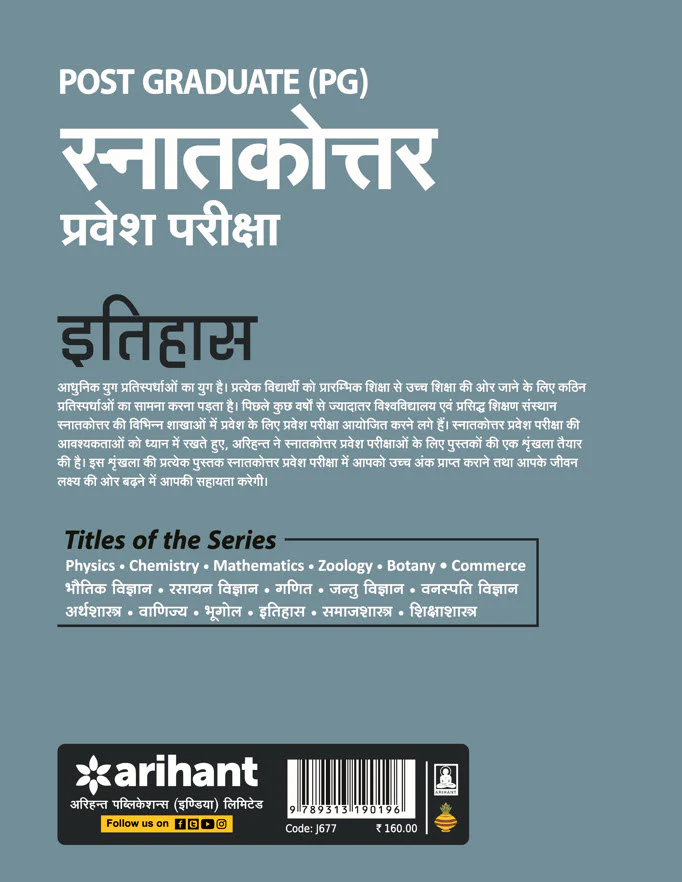
Post Graduate (PG) Entrance Exam - History | Hindi Medium
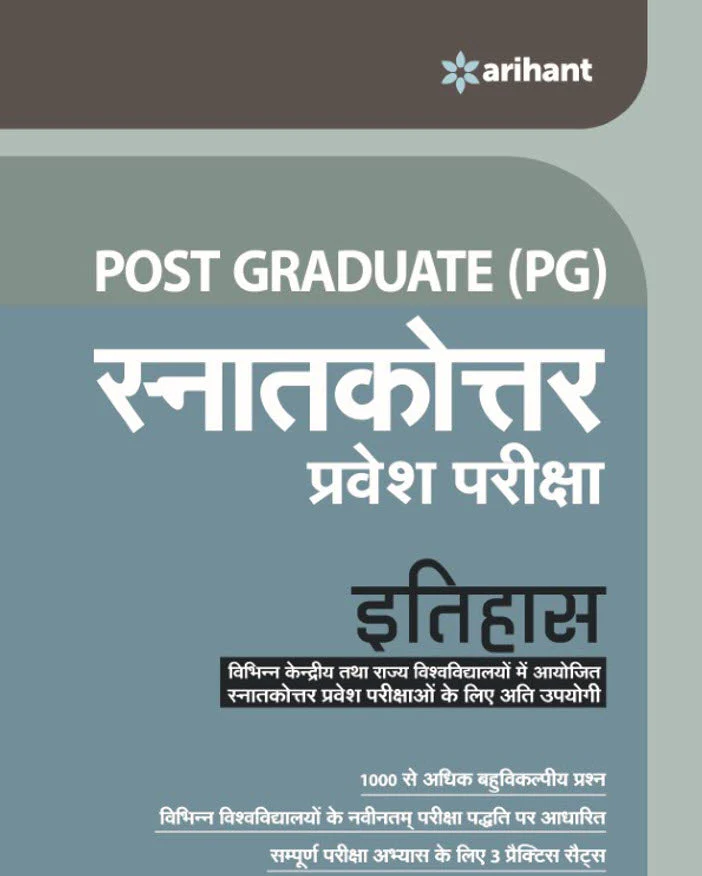
Overview: This guide condenses the vast undergraduate (B.A.) History curriculum into a structured, exam-oriented format. Beyond simple dates and facts, it focuses on the causal relationships behind historical events and the shifting interpretations of history, making it ideal for the analytical pattern of modern PG entrance exams.
Genre: Entrance Exam Prep | Higher Education | History
Audience: Final-year undergraduate students and PG aspirants for the 2026-27 session.
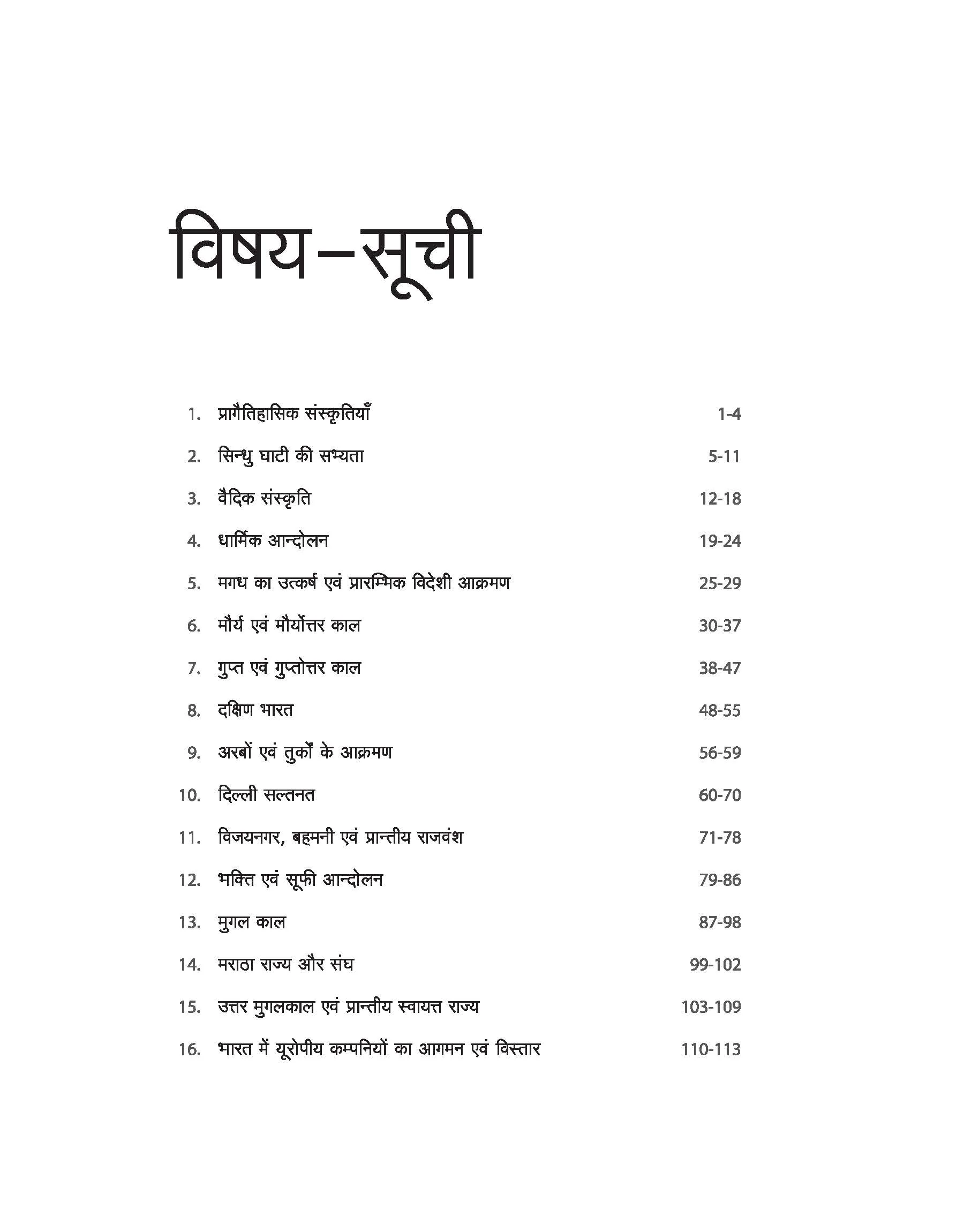
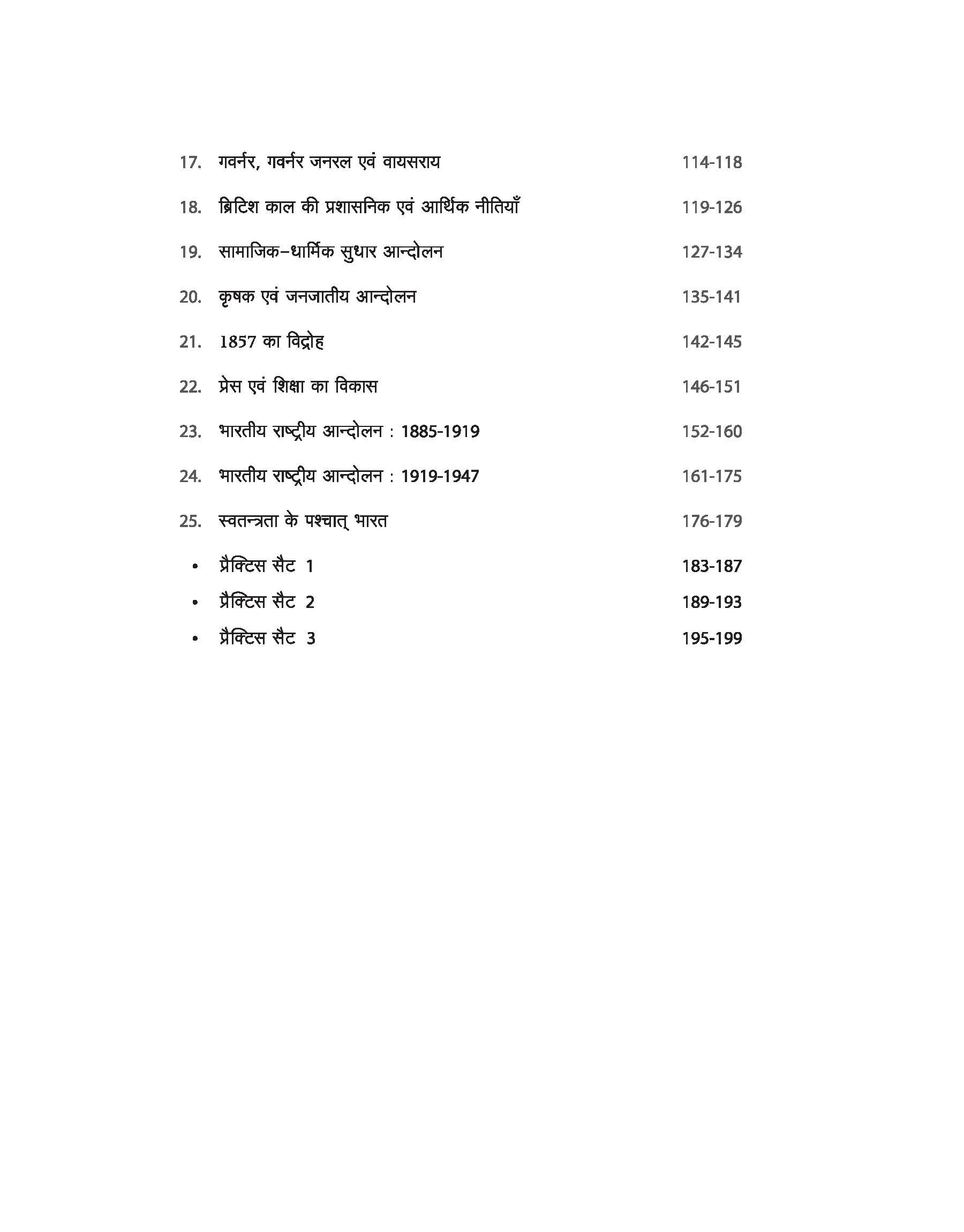
Subject-Wise Core Modules
1. Ancient Indian History
-
Focus: Pre-historic periods, Indus Valley Civilization (IVC), Vedic Age, Mahajanapadas, and the Mauryan and Gupta Empires.
-
Key Feature: Emphasis on archaeological sources, epigraphy (inscriptions), and accounts of foreign travelers like Megasthenes, Fa-Hien, and Hiuen Tsang.
2. Medieval Indian History
-
Focus: The Delhi Sultanate, Mughal Empire, Vijayanagara Empire, and the rise of the Marathas.
-
Key Feature: Detailed analysis of medieval administrative systems (Iqta, Mansabdari), Indo-Islamic architecture, and the Bhakti and Sufi movements.
3. Modern Indian History
-
Focus: Arrival of European powers, the 1857 Revolt, Socio-Religious reform movements, the Indian National Congress, and the Gandhian Era.
-
Key Feature: Chronological study of the Freedom Struggle, British economic policies (Drain of Wealth theory), and Constitutional developments.
4. World History
-
Focus: The Renaissance and Reformation, the French Revolution, the Industrial Revolution, World War I & II, and the Cold War.
-
Key Feature: Brief introductions to major ideologies like Capitalism, Socialism, and Fascism.
5. Historiography (History Writing & Research)
-
Focus: Approaches to history writing: Orientalist, Nationalist, Marxist, and Subaltern schools.
-
Key Feature: A dedicated glossary of famous historians and their seminal works.
Key Features of the 2026 Edition
-
2500+ Practice MCQs: Includes high-level 'Match the Following,' 'Chronological Ordering,' and 'Assertion-Reasoning' questions.
-
Updated Research: Integration of recent archaeological findings (e.g., new genetic and cultural insights from Rakhigarhi).
-
Solved Papers: Includes the last 5 years of actual entrance papers with detailed analytical solutions.
-
Quick Revision Charts: Rapid-reference tables for dynasties, their founders, capitals, and significant battles.
-
2 Full-Length Mock Tests: Designed to simulate the Computer-Based Test (CBT) environment and improve time management.
Why Choose This Guide?
-
Analytical Depth: Moves beyond rote memorization to help you understand "Why" and "How" history changed.
-
NCERT & Standard Reference Base: Synthesizes information from authorities like K.C. Srivastava, Satish Chandra, and Bipan Chandra.
-
Historiography Focus: Provides a strong foundation in the theory of history, which is often the most difficult section for PG aspirants.
Original: $1.34
-65%$1.34
$0.47Product Information
Product Information
Shipping & Returns
Shipping & Returns
Description
Overview: This guide condenses the vast undergraduate (B.A.) History curriculum into a structured, exam-oriented format. Beyond simple dates and facts, it focuses on the causal relationships behind historical events and the shifting interpretations of history, making it ideal for the analytical pattern of modern PG entrance exams.
Genre: Entrance Exam Prep | Higher Education | History
Audience: Final-year undergraduate students and PG aspirants for the 2026-27 session.
Subject-Wise Core Modules
1. Ancient Indian History
-
Focus: Pre-historic periods, Indus Valley Civilization (IVC), Vedic Age, Mahajanapadas, and the Mauryan and Gupta Empires.
-
Key Feature: Emphasis on archaeological sources, epigraphy (inscriptions), and accounts of foreign travelers like Megasthenes, Fa-Hien, and Hiuen Tsang.
2. Medieval Indian History
-
Focus: The Delhi Sultanate, Mughal Empire, Vijayanagara Empire, and the rise of the Marathas.
-
Key Feature: Detailed analysis of medieval administrative systems (Iqta, Mansabdari), Indo-Islamic architecture, and the Bhakti and Sufi movements.
3. Modern Indian History
-
Focus: Arrival of European powers, the 1857 Revolt, Socio-Religious reform movements, the Indian National Congress, and the Gandhian Era.
-
Key Feature: Chronological study of the Freedom Struggle, British economic policies (Drain of Wealth theory), and Constitutional developments.
4. World History
-
Focus: The Renaissance and Reformation, the French Revolution, the Industrial Revolution, World War I & II, and the Cold War.
-
Key Feature: Brief introductions to major ideologies like Capitalism, Socialism, and Fascism.
5. Historiography (History Writing & Research)
-
Focus: Approaches to history writing: Orientalist, Nationalist, Marxist, and Subaltern schools.
-
Key Feature: A dedicated glossary of famous historians and their seminal works.
Key Features of the 2026 Edition
-
2500+ Practice MCQs: Includes high-level 'Match the Following,' 'Chronological Ordering,' and 'Assertion-Reasoning' questions.
-
Updated Research: Integration of recent archaeological findings (e.g., new genetic and cultural insights from Rakhigarhi).
-
Solved Papers: Includes the last 5 years of actual entrance papers with detailed analytical solutions.
-
Quick Revision Charts: Rapid-reference tables for dynasties, their founders, capitals, and significant battles.
-
2 Full-Length Mock Tests: Designed to simulate the Computer-Based Test (CBT) environment and improve time management.
Why Choose This Guide?
-
Analytical Depth: Moves beyond rote memorization to help you understand "Why" and "How" history changed.
-
NCERT & Standard Reference Base: Synthesizes information from authorities like K.C. Srivastava, Satish Chandra, and Bipan Chandra.
-
Historiography Focus: Provides a strong foundation in the theory of history, which is often the most difficult section for PG aspirants.