Post Graduate (PG) Entrance Exam - Geography | Hindi Medium
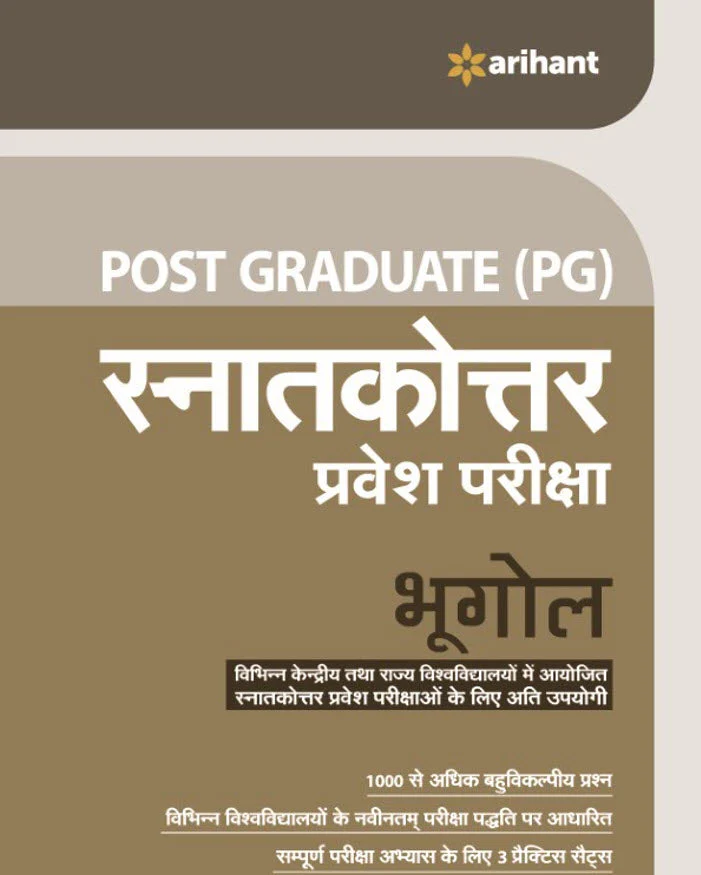
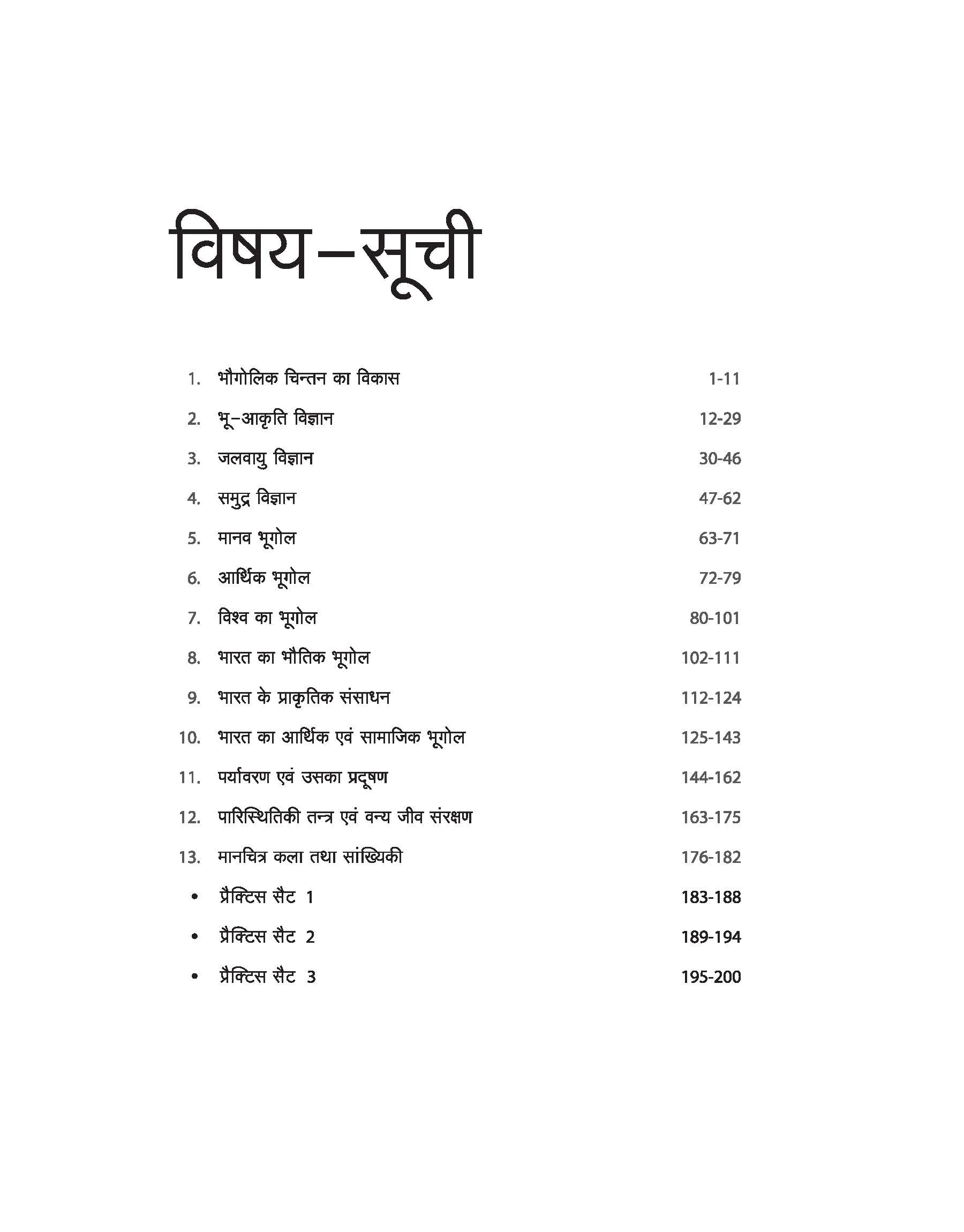
Overview: Geography is a multidisciplinary subject that blends physical sciences with social studies. This guide condenses the three-year B.A./B.Sc. curriculum into a strategic, exam-oriented format. It is updated according to the latest NTA and UGC-NET patterns, ensuring you are prepared for both theoretical concepts and technical data analysis.
Genre: Entrance Exam Prep | Higher Education | Geography
Audience: Final-year undergraduate students and PG aspirants for the 2026-27 session.
Subject-Wise Core Modules
1. Physical Geography
-
Geomorphology: Earth's internal structure, Plate Tectonics, and landforms created by rivers, glaciers, and wind.
-
Climatology: Composition of the atmosphere, cyclones, anticyclones, and Koppen’s climate classification.
-
Oceanography: Ocean currents, salinity, and coral reef formations.
2. Human & Economic Geography
-
Core Concepts: Population Geography (Demographics), Settlement Geography, and world agricultural/industrial regions.
-
Key Theories: Simple explanations of models by Weber (Industrial Location) and Von Thunen (Agricultural Land Use).
3. Geography of India
-
Focus: Physical divisions of India, drainage systems (rivers), origin of the Monsoon, mineral resources, and latest Census 2011 data.
-
Map-Based Learning: Dedicated sections for identifying major multipurpose projects and biosphere reserves on the Indian map.
4. Geographical Techniques (Technical Core)
-
Cartography: Map scales, types of map projections (Cylindrical, Conic, Azimuthal), and their specific uses.
-
Statistical Methods: Calculation of Mean, Median, Mode, and Standard Deviation in geographical data.
-
Remote Sensing & GIS: Fundamentals of satellite imagery, GPS, and Geographic Information Systems.
5. Geographical Thought
-
Historical Development: Contributions of Greek, Roman, Arab, and modern geographers (Humboldt, Ritter, Ratzel).
-
Schools of Thought: Detailed analysis of Environmental Determinism vs. Possibilism.
Key Features of this Edition
-
2500+ Subject-Wise MCQs: Covers everything from basic facts to complex "Statement and Reasoning" questions.
-
2025 Solved Papers: Detailed analysis of last year's papers to understand shifting exam trends.
-
Visual Learning: Every chapter is integrated with maps, flowcharts, and diagrams to help with visual memory.
-
Quick Revision Notes: "Glance Sheets" featuring important theories, famous books, and their authors for last-minute recall.
-
2 Full-Length Mock Tests: Designed on the CBT (Computer Based Test) pattern to improve time management.
Why Choose This Guide?
-
Academic Accuracy: Compiled from standard references like Savindra Singh and Majid Husain.
-
Focus on Technicals: Provides extra clarity on the Remote Sensing and Statistics sections, which are often the toughest parts of the exam.
-
Updated Data: Includes the latest reports on Indian forest cover, agriculture, and minerals.
Original: $1.34
-65%$1.34
$0.47Product Information
Product Information
Shipping & Returns
Shipping & Returns
Description
Overview: Geography is a multidisciplinary subject that blends physical sciences with social studies. This guide condenses the three-year B.A./B.Sc. curriculum into a strategic, exam-oriented format. It is updated according to the latest NTA and UGC-NET patterns, ensuring you are prepared for both theoretical concepts and technical data analysis.
Genre: Entrance Exam Prep | Higher Education | Geography
Audience: Final-year undergraduate students and PG aspirants for the 2026-27 session.
Subject-Wise Core Modules
1. Physical Geography
-
Geomorphology: Earth's internal structure, Plate Tectonics, and landforms created by rivers, glaciers, and wind.
-
Climatology: Composition of the atmosphere, cyclones, anticyclones, and Koppen’s climate classification.
-
Oceanography: Ocean currents, salinity, and coral reef formations.
2. Human & Economic Geography
-
Core Concepts: Population Geography (Demographics), Settlement Geography, and world agricultural/industrial regions.
-
Key Theories: Simple explanations of models by Weber (Industrial Location) and Von Thunen (Agricultural Land Use).
3. Geography of India
-
Focus: Physical divisions of India, drainage systems (rivers), origin of the Monsoon, mineral resources, and latest Census 2011 data.
-
Map-Based Learning: Dedicated sections for identifying major multipurpose projects and biosphere reserves on the Indian map.
4. Geographical Techniques (Technical Core)
-
Cartography: Map scales, types of map projections (Cylindrical, Conic, Azimuthal), and their specific uses.
-
Statistical Methods: Calculation of Mean, Median, Mode, and Standard Deviation in geographical data.
-
Remote Sensing & GIS: Fundamentals of satellite imagery, GPS, and Geographic Information Systems.
5. Geographical Thought
-
Historical Development: Contributions of Greek, Roman, Arab, and modern geographers (Humboldt, Ritter, Ratzel).
-
Schools of Thought: Detailed analysis of Environmental Determinism vs. Possibilism.
Key Features of this Edition
-
2500+ Subject-Wise MCQs: Covers everything from basic facts to complex "Statement and Reasoning" questions.
-
2025 Solved Papers: Detailed analysis of last year's papers to understand shifting exam trends.
-
Visual Learning: Every chapter is integrated with maps, flowcharts, and diagrams to help with visual memory.
-
Quick Revision Notes: "Glance Sheets" featuring important theories, famous books, and their authors for last-minute recall.
-
2 Full-Length Mock Tests: Designed on the CBT (Computer Based Test) pattern to improve time management.
Why Choose This Guide?
-
Academic Accuracy: Compiled from standard references like Savindra Singh and Majid Husain.
-
Focus on Technicals: Provides extra clarity on the Remote Sensing and Statistics sections, which are often the toughest parts of the exam.
-
Updated Data: Includes the latest reports on Indian forest cover, agriculture, and minerals.